IoT Fire Detection System
Smoke, heat and manual call points on a LoRaWAN wireless network — no large-scale chasing, and a local controller that sounds the building alarm when the network is down.
The problem
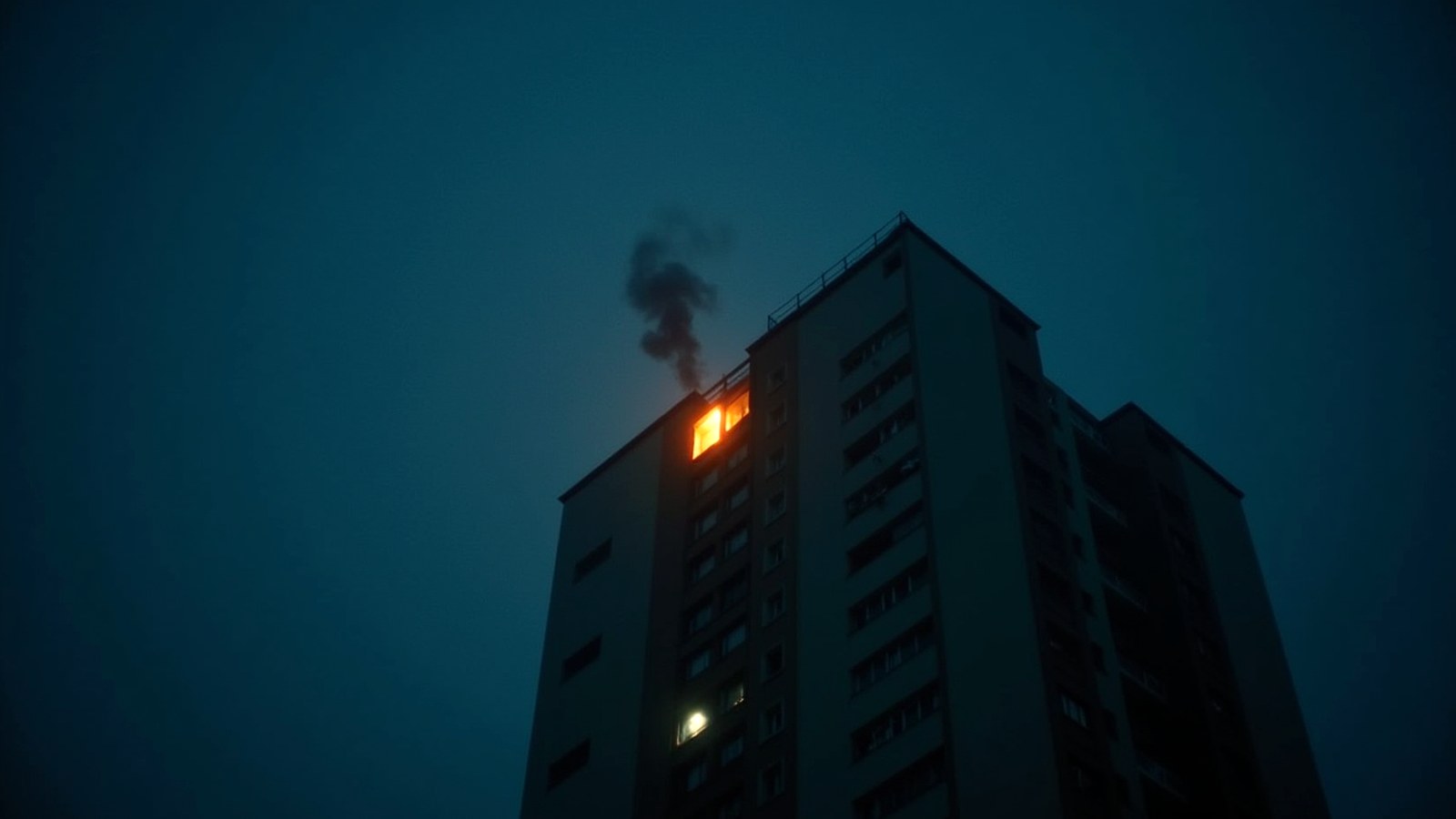
- In older buildings and major renovation, cabling means chasing walls and scaffolding — slow and expensive
- Rounds are manual and records live on paper, so nothing is auditable afterwards
- IoT add-ons that stop working when the network or power fails will not satisfy the Fire Services Department
Our approach
- Battery-powered detectors: no cabling, no scaffolding
- LoRaWAN gateways collect the whole building
- A local controller hard-wired to the sounder loop decides offline
- The cloud handles notification, reporting and remote maintenance only
What is LoRaWAN?
LoRaWAN is a wireless protocol built for sensors: devices send small packets to a gateway on very little power, and the gateway relays them over 4G or Ethernet. It is not Wi-Fi, so it does not depend on the client's IT network, and it is not 4G — sensors need no SIM card and carry no monthly fee.
- Long range: 2–5 km per gateway in dense urban areas, up to 15 km in open sites
- Low power: with a 24-hour heartbeat, batteries last 3–10 years depending on reporting rate
- Deep penetration: sub-GHz 920–925 MHz reaches basements, plant rooms and stairwells
- Secure by design: AES-128 end-to-end encryption with a unique key per device
- High capacity: one gateway serves thousands of sensing points
- Independent of client IT: the gateway carries its own 4G backhaul
Against Wi-Fi and 4G
On the same site, Wi-Fi needs cabling and IT accounts, and drops when a router is replaced. 4G puts a SIM and a monthly fee on every sensor and drains the battery. LoRaWAN concentrates the cost in one gateway; each additional sensing point is close to free.
- Wi-Fi: short range, high power draw, depends on client IT, breaks when a router changes
- 4G / NB-IoT: a SIM and monthly fee per point, short battery life, poor basement coverage
- Wired: the most reliable, but chasing and scaffolding make changes expensive
- LoRaWAN: one gateway covers the building, batteries last years, and the local controller still alarms offline
What it means in practice
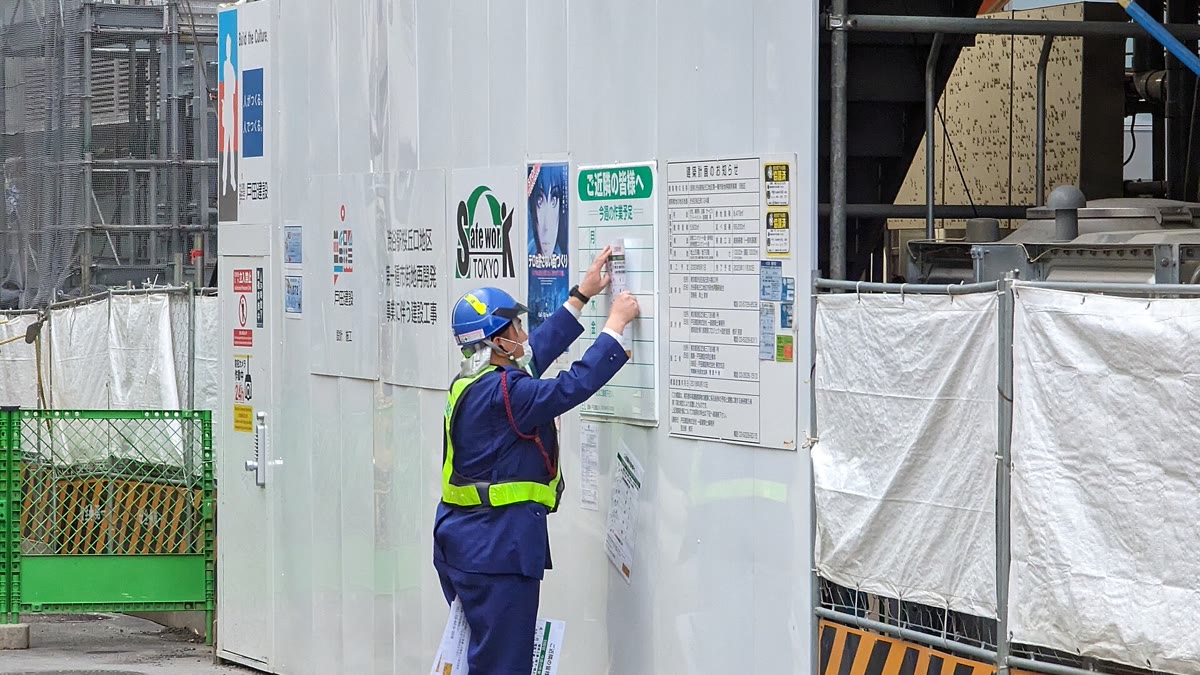
Deployment moves from weeks of cabling to days of installation. Adding points, moving them or changing floors no longer needs a works order. Heartbeats and battery state report daily, so management sees which device needs attention from the dashboard.
- Shorter works: no scaffolding, no large-scale chasing
- Near-zero cost to add points — expansion no longer waits on a works order
- Every device reports heartbeat and battery state automatically
- With backup power, the local controller still sounds the alarm when the network is down